Order summary
In most North York houses, you will find the main shut-off in the basement, on the street-side wall, right where the water service comes through the foundation. It sits next to the water meter, on one side or both. Turning it clockwise closes it.
Numbered steps
- Go to the front wall of the basement. Trace the pipe that rises out of the slab or out of the wall, with a meter attached. In finished basements it can hide in a closet, behind a removable panel, or in the furnace room.
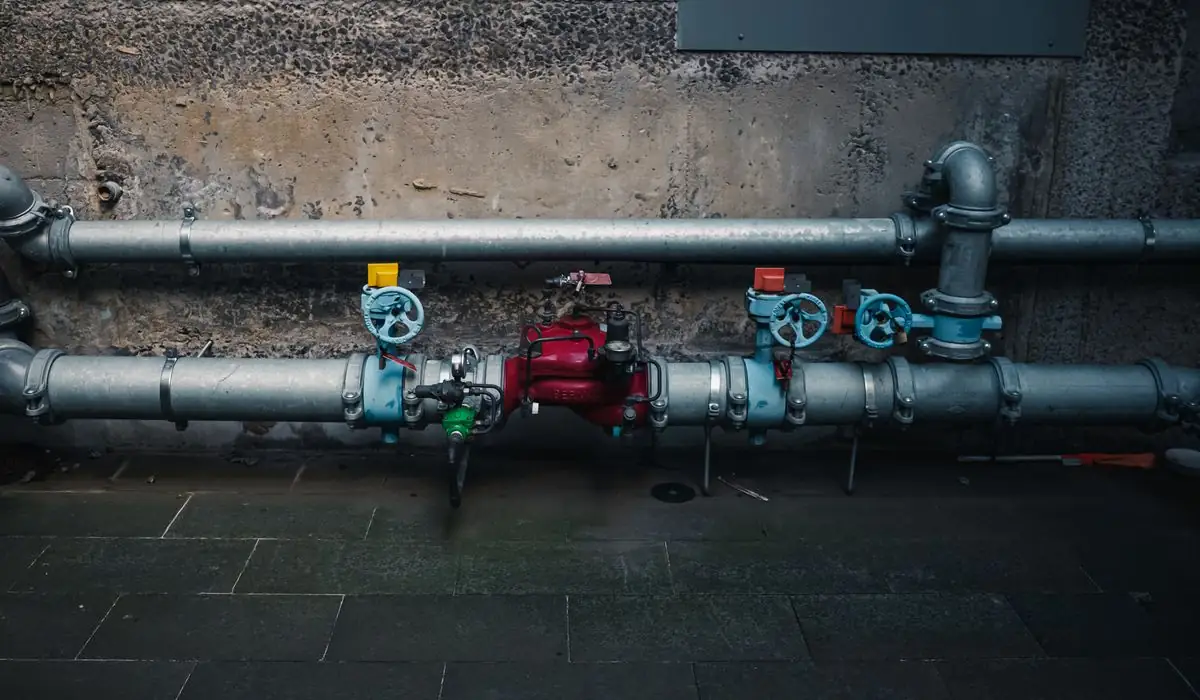
- Identify the valve type. Round wheel on top: gate valve. Flat lever: ball valve. Ball valves close with a quarter turn; gate valves take several full turns.
- Test it. Open a tap upstairs. Close the valve. The tap should stop running within a minute or so. Then open the valve again fully.
- Tag it. Tie a bright label on the handle and show everyone at home where it is.
- Find the secondary valves. Under each sink and behind each toilet, there should be small stops. The water heater has its own cold-water valve on top.
In a condo or townhouse, the shut-off for your unit is often in a utility closet behind a removable panel in a bathroom, or near the washing machine. Some units have separate valves for hot and cold. Ask your management office if you cannot find it.
Plumber's tip: Gate valves that have not moved in decades can break or leak at the stem when finally turned. If yours resists, leave the wrench in the toolbox. Call and have it replaced before you need it.
Errors we see on site
- Closing the valve on the city side of the meter. Most homes have valves on both sides; use the house side unless the house-side valve has failed.
- Piling storage boxes in front of the valve. You need to reach it in seconds.
- Assuming a valve that turns is a valve that seals. Test it with a tap open.
- Forgetting the water heater. If a hot line bursts, shutting the main stops the flow, but turn off the gas or power to the heater too if it will be drained.
The city also has a curb stop, usually under a small cap near the property line. That one belongs to Toronto Water. Homeowners should not operate it; if the indoor valve fails and you have a flood, call 311 and a plumber.
When the desk should come out
Call if the valve will not turn, leaks at the stem, or lets water keep trickling through. Replacing it with a quarter-turn ball valve counts as a common, quick job and makes future shut-offs easy. Our main shut-off valve replacement page explains what is involved.
Call immediately for any burst pipe once the water is off. If you are dealing with frozen lines, our frozen pipes leaflet covers what to do before it gets that far.
Book either job on (365) 517-5705.
Quick checklist
- Check the street-side basement wall where the copper comes through
- Turn it closed and open once a year
- Hang a tag on it so every person at home knows the spot
Your questions on this one
My valve is behind drywall with no access. What should I do?
Have an access panel installed. A valve you cannot reach in an emergency is not much use.
Should I shut the water off when I go away?
For longer trips, many insurers recommend it, and it is cheap protection. Leave the heat on in winter.