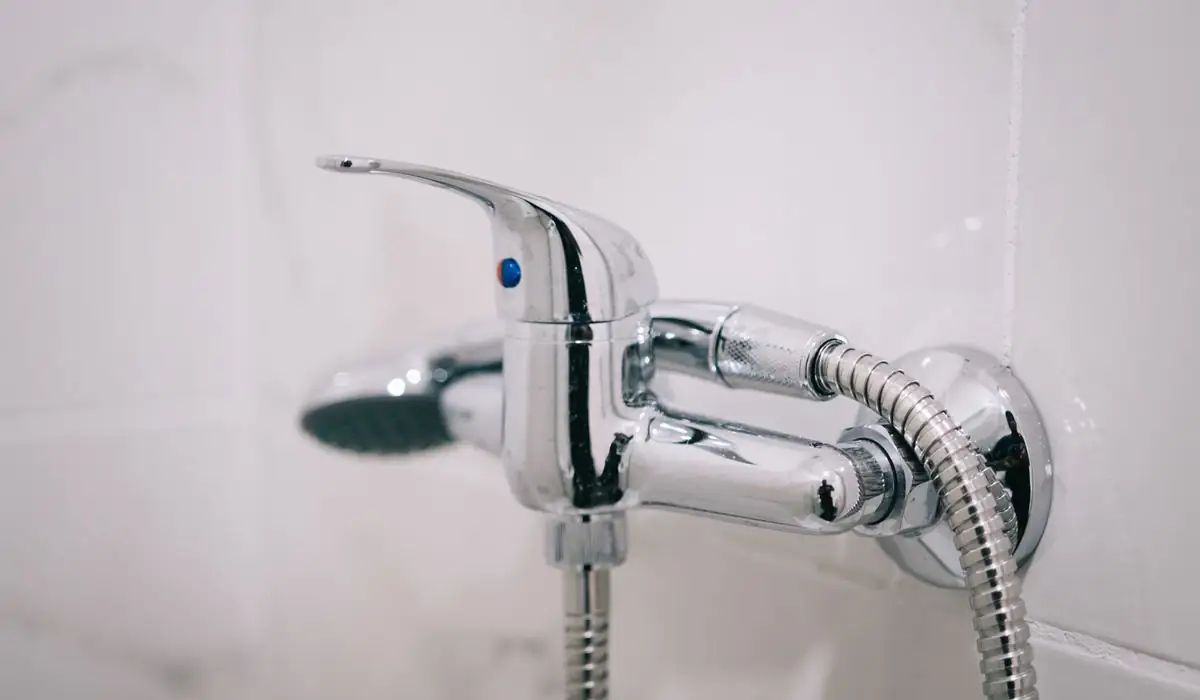
What shower valve replacement involves
The valve is the brass body inside the wall that mixes hot and cold. Handles and trim are just the cover. Older North York bathrooms often still use two- or three-handle valves lacking any temperature protection at all. A new single-handle pressure-balancing valve, or a thermostatic one, holds the mix steady when pressure shifts elsewhere in the house.
- Shut the water off and drain the lines.
- Open the wall, ideally from the back through a closet or an adjoining room.
- Remove the old valve body and sweat or crimp the replacement, positioned so the trim will sit flush on the new tile.
- Turn the limit stop so the handle cannot reach a hotter mix than is scald-safe.
- Test for leaks with the wall still open.
- Close up and fit the trim.
Why North York houses need it
Bathrooms from the 1950s to the 1970s are common across North York, many with their original tile still on the walls. Two-handle valves from that era drip, get stiff, and give no protection against scalding. Replacement parts for some old brands are hard to find, so a repair is not always possible.
Homeowners who want to keep good original tile have choices. Access from behind is the cleanest. Where there is no room behind, a larger trim plate or a remodel plate can cover the hole left by a three-handle valve.
Plumber's tip: Ontario's building code has called for shower valves that protect against scalding in new work. A pressure-balancing or thermostatic valve does that.
How we write up the job
We record the valve brand and model, how it was accessed, the pipe material behind the wall and the limit-stop setting. If the pipes behind the wall are galvanized and badly corroded, we note it, because tying a new valve onto failing pipe just moves the leak. Any extra work is quoted separately.
Signs you should call
- Sudden cold or hot bursts when another fixture runs.
- A handle that drips with the shower off.
- Stiff or loose handles that will not hold position.
- Stains on the ceiling underneath the bathroom.
Planning a bigger update? The valve is easiest to change during bathroom renovation plumbing, when the wall is open anyway.
Costs and what affects them
Access decides most of it. A valve reachable from a closet is far simpler than one behind tile with nothing on the other side. The valve type, any pipe repairs found inside the wall, and whether tile repair is needed afterwards all change the number. We quote the plumbing; tile and drywall repair are listed separately so you can compare.
Timing is worth planning too. The water to the bathroom, and sometimes the whole house, is off while the valve goes in. Most swaps finish within a working day, but we tell you on the order how long you will be without a shower so nobody is caught out.
Job at a glance
| Category | Fixtures |
|---|---|
| Tools | Torch, valve body, access panel, test plug |
| Final test | Temperature holds while a nearby toilet is flushed |
Tell-tale signs
- Scalding or icy bursts during a shower
- Handle drips with the shower off
- Old two-handle valve with worn stems
Steps on the job
- Open the wall from the closet side if possible
- Shut supply and cut out the old valve body
- Sweat in a pressure-balancing valve with stops
- Pressure test and set the temperature limit
Your questions on this one
Can you replace just the cartridge?
Frequently, when the valve is a single-handle type with parts still made. That is quicker and cheaper, and we will check before suggesting a full valve.
Pressure-balancing versus thermostatic: what separates them?
A pressure-balancing valve responds when the hot or cold supply pressure shifts. A thermostatic valve reacts to temperature and allows separate volume control. Both protect against scalding.