Lines we jet
- Kitchen branches and building drains in restaurants and food plazas.
- Main sanitary lines from multi-unit buildings to the property line.
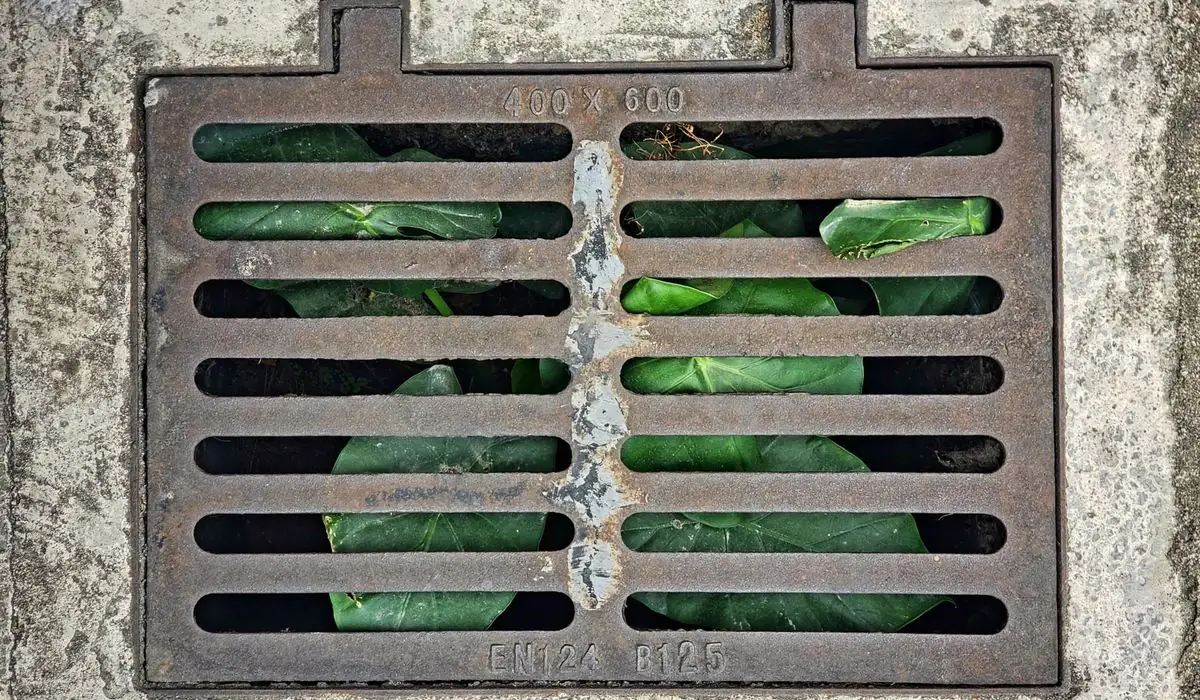
- Parking garage and trench drains packed with sand and road salt grit.
- Storm lines and catch basins on commercial lots.
- Scaled cast-iron stacks in older buildings, after a camera check.
Signs a line needs jetting, not cabling
- The same line has been cabled more than once in a year.
- The camera shows grease or scale coating the whole pipe wall.
- Sand and grit settle in low spots of a garage drain.
- Roots return quickly after cutting.
- Drains run, but slowly, along a long horizontal run.
Plumber's tip: Jetting is not right for every pipe. Thin-walled cast iron, shifted clay joints and cracked sections can blow out under pressure, so a camera goes down before the jetter and decide from what we see.
How a jetting visit runs
- Camera pass to read material, diameter and wall condition.
- Nozzle choice: forward-jet head to open a plug, spinning head for fat and scale, chain or cutter head for roots.
- Enter from the lowest cleanout and work upstream so debris flows out.
- Pressure and flow are set to the pipe, not to the maximum the machine can do.
- Second camera pass to confirm the wall is clean.
- Notes and stills from the camera for your maintenance file.
Setting a maintenance interval
- Busy kitchen lines often need regular scheduled jetting.
- Garage drains are best done after the winter salt season.
- Lines with recurring roots may need jetting until the lateral is repaired.
- We base the interval on what the camera shows each visit.
Commercial sites in our area
Plazas, mid-rise rentals and office parks across North York were built on long horizontal runs with gentle slope. Those runs collect whatever the tenants send down them. Jetting on a schedule costs less disruption than a backup in the middle of a business day.
Job at a glance
| Category | Commercial |
|---|---|
| Tools | Trailer or cart jetter, rotating and root nozzles, sewer camera, locator |
| Final test | Clean wall on camera and full-flow run at every inlet |
Tell-tale signs
- Same line cabled more than once a year
- Camera shows grease or scale on the full wall
- Garage drains silting up with grit
Steps on the job
- Camera the line and confirm pipe condition
- Pick the nozzle for grease, scale or roots
- Jet upstream from the lowest cleanout
- Second camera pass to confirm a clean wall
Your questions on this one
Will jetting damage old pipe?
It can if the pipe is cracked or heavily corroded, so the camera comes first. Where the wall looks weak, we recommend a different approach.
Can you jet at night?
Yes. Commercial jetting is often booked after hours so the line is quiet.