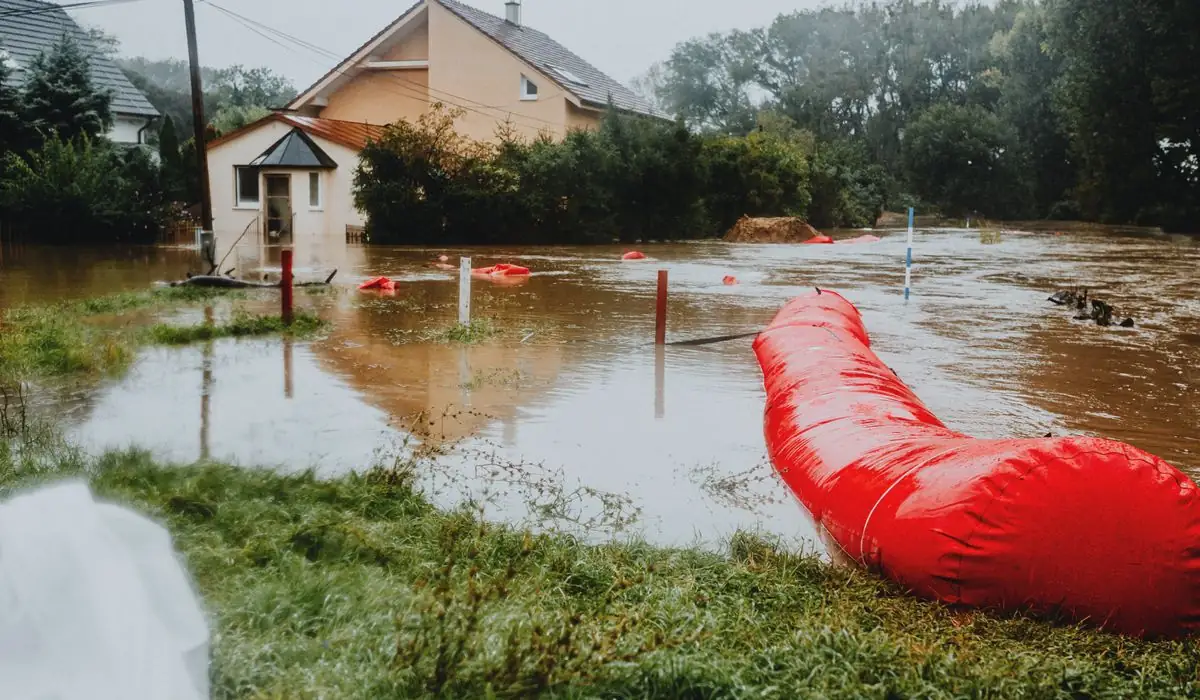
What basement flood prevention involves
Water gets into a basement three ways: back up the sewer, in through the foundation, or from a failure inside the house such as a burst line or a leaking tank. A prevention visit checks all three. It is an inspection first and a sales call never.
- Walk the outside: downspouts, grading, window wells, driveway slope.
- Check the floor drain, main cleanout and whatever backwater valve.
- Test the sump pump, if there is one, by filling the pit.
- Look at the water heater, laundry hoses and the main shut-off.
- Camera the main drain if there is any history of backup.
Why North York houses need it
A lot of North York went up from the late 1940s through the 1970s, when foundation drains were commonly tied straight into the sanitary sewer and downspouts often ran into the ground. In a heavy storm, all of that water lands in the same pipe as the toilets. Add finished basements, rental suites and expensive flooring, and a single storm can mean a large insurance claim.
Lots near ravines, like those along the West Don and East Don branches, bring their own groundwater and slope issues. Low streets can collect runoff from higher ones.
Inside the house, the risks are quieter. A rubber washing machine hose that has gone brittle, a water heater past its expected life, or a main valve seized open can each put more water on the floor than a storm. These get checked on the same visit because they are cheap to fix compared with the damage.
How we write up the job
You get a prioritized order sheet. The cheap, fast items go first, like extending a downspout or regrading a flower bed against the wall. Bigger items follow, each with what it protects against:
| Item | Protects against |
|---|---|
| Downspout disconnection and extension | Roof water soaking the foundation |
| Backwater valve | Sewer backup through floor drains |
| Sump pit and pump | Groundwater from the weeping tile |
| Battery backup on the sump | Power cuts during storms |
| New main shut-off and braided hoses | Water from inside the house |
Details on each are under backwater valve installation, sump pump installation and battery backup sump pumps.
Plumber's tip: Toronto has offered homeowners a subsidy toward some of these items. Rules and amounts change, so read the City's current program page before you sign anything. Our subsidy leaflet covers the basics.
Signs you should call
- Damp spots or white mineral bloom low on the walls.
- A floor drain that has ever backed up.
- Water pooling against the house after rain.
- You are planning to finish or rent the basement.
Costs and what affects them
The walk-through itself is short. What follows depends on what we find and what you choose to do. Some homes need nothing but a downspout extension and a new washing machine hose. Others need concrete work. You decide the order and the budget; we just make sure each item is done to code.
Job at a glance
| Category | Basement |
|---|---|
| Tools | Camera, flashlight, moisture meter, notebook |
| Final test | Written ranked list of protections left with you |
Tell-tale signs
- Water marks on lower drywall from past storms
- Downspouts dump next to the foundation
- Floor drain gurgles during heavy rain
Steps on the job
- Walk the lot and note grading and downspouts
- Camera the main line and check for a backwater valve
- Test or add a sump pump and backup
- Write up a list ranked by what stops the most water
Your questions on this one
Where should I start on a tight budget?
Outside. Downspouts and grading cost little and often make the biggest difference to foundation leaks. Sewer backup protection comes next if your street has a history of it.
Do I need both a sump and a backwater valve?
Many homes do, because they solve different problems. The walk-through tells you whether yours does.