Order summary
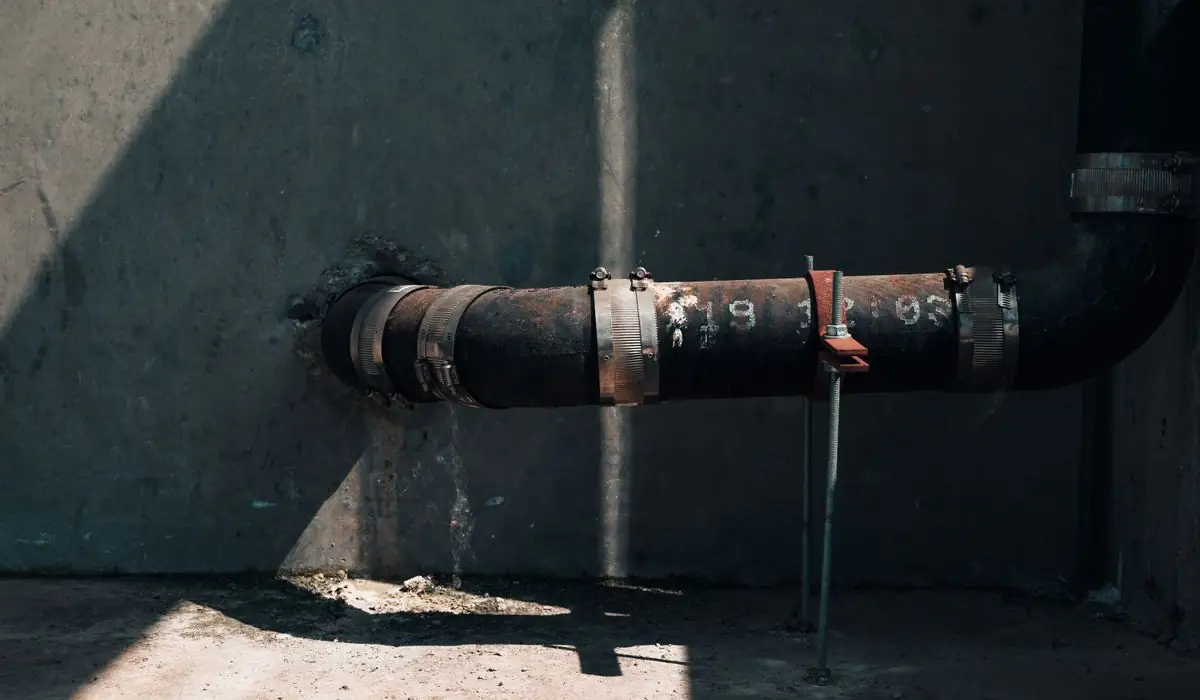
Galvanized pipe is steel coated with zinc. Over decades the zinc wears away, and rust builds up inside, narrowing the pipe until flow drops and pressure falls. Joints are threaded, and the threads are thinner than the rest of the pipe, so leaks often start there. If your house has it, plan to replace it before it fails.
Numbered steps
- Look at the pipe near the meter. Galvanized pipe is dull grey and a magnet sticks to it; copper is reddish and a magnet does not stick.
- Follow it to see where it runs and where it has already been replaced.
- Open a cold tap at the highest fixture and watch the flow.
- Run the hot tap for a while and note any rust colour.
- Check threaded fittings for crust, rust or weeping.
- Write down what you find before calling for a quote.
Plumber's tip: Galvanized pipe on the drain side, not the supply, is a separate issue. Drains also corrode and narrow; tell us which you have.
Errors we see on site
- Replacing one section and assuming the problem is solved.
- Connecting copper directly to galvanized without a proper fitting; it speeds corrosion.
- Ignoring rusty water as a temporary issue.
- Waiting until a joint leaks inside a finished ceiling.
When the desk should come out
Call when flow is weak at several fixtures or you see rust in the water. We can test pressure and flow and quote partial or full repiping. If a joint has already failed, see burst pipe repair. Our tree roots leaflet covers the drain side of older houses.
Quick checklist
- Look for grey threaded pipe in the basement
- Check upstairs pressure against the basement
- Watch for rusty first-draw water
Your questions on this one
Is galvanized pipe dangerous?
Mostly it is a flow and leak problem. Older galvanized lines downstream of lead may hold lead particles, another reason to replace them.